Christmas celebration dates vary across different countries and can be attributed to historical, cultural, and religious factors. Here are some examples of differing dates.
In many European countries, including Slovakia, Czech Republic, Germany, France, and the Scandinavian nations, Christmas is traditionally celebrated on the evening of December 24th. This practice originates from the Christian tradition of holding a Christmas Eve commemorating Jesus Christ’s birth.
Christmas in the United States is typically celebrated on December 25th, similar to many other parts of the world. This date aligns with the widely recognized birthdate of Jesus and is observed as a national holiday. The American tradition has been influenced by various cultural and religious backgrounds.

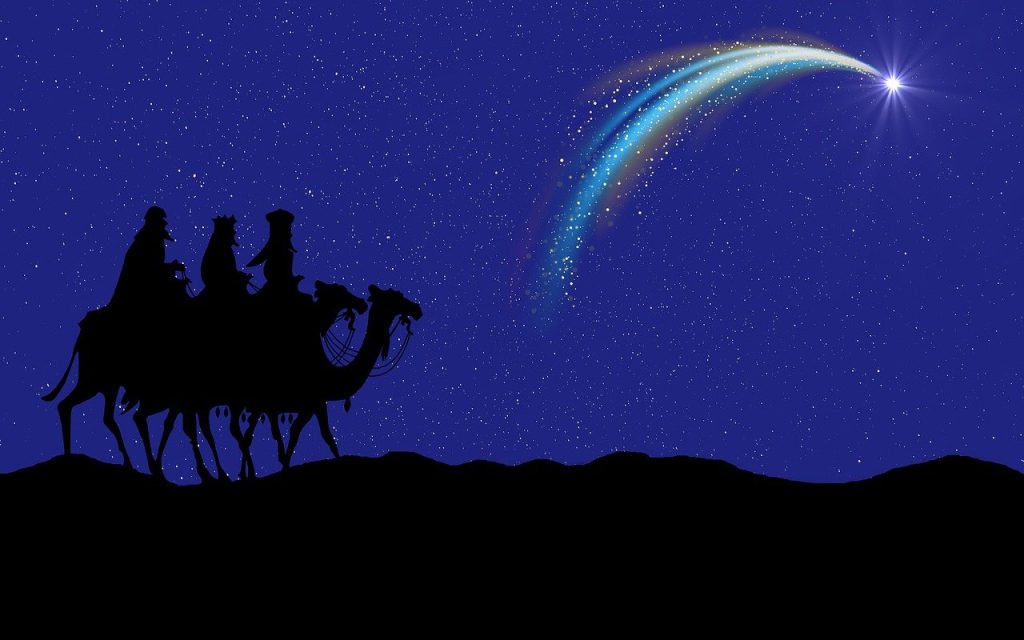
In Spain, Christmas traditions blend both Christian and cultural elements. While December 25th is recognized as Christmas Day, the notable date in Spain is January 6th, known as “Epiphany” or “Three Kings’ Day.” This day commemorates the visit of the three wise men or magi to the baby Jesus.
In Greece, Christmas is celebrated on December 25th, but the significant day is “Epiphany” or “Theophany” on January 6th. Epiphany commemorates the baptism of Jesus in the Jordan River.
Georgia follows the Eastern Orthodox Church, which continues to adhere to the Julian calendar for liturgical purposes. As a result, the celebration of Christmas in Georgia falls on January 7th according to the Julian calendar.
Countries like Russia, Ukraine, Belarus, and several other Eastern European and Balkan nations celebrate Christmas on January 7th, following the Julian calendar observed by the Eastern Orthodox Church.
The most exciting part of Christmas for children is the time of gift-giving day. Also, this tradition varies across different countries and their traditions. Here are a few examples.

Christmas Eve: In many countries, such as Slovakia, Czech Republic, Germany, Sweden, and Mexico, it is customary to exchange and open presents on the evening of December 24th, known as Christmas Eve. This tradition often involves families gathering and exchanging gifts before or after attending religious services or enjoying a festive meal.
Christmas Day: In several countries, including the United States, Canada, the United Kingdom, Australia, and many others, gifts are traditionally exchanged and opened on the morning of December 25th, Christmas Day. Children often wake up to find presents under the Christmas tree or in stockings hung by the fireplace.
Epiphany/Three Kings’ Day: In some cultures, such as Spain and various Latin American countries, gifts are given to children on Epiphany, also known as Three Kings’ Day, which falls on January 6th. Children receive presents from the Three Wise Men or Kings, symbolizing the gifts they brought to baby Jesus.
Other Dates: Some countries and regions have different gift-giving dates associated with Christmas. For instance, in the Netherlands and Belgium, presents are exchanged on the evening of December 5th or 6th during the celebration of St. Nicholas’ Eve (Sinterklaas). In some Orthodox countries such as Russia and Ukraine, where Christmas is celebrated on January 7th or 8th, gifts may be given on New Year’s Eve or New Year’s Day.
What about the country where you live? When does your family celebrate the Christmas holidays?